
image post1yr Edited at archive captureWritten by Puviin Varman
SBTI?? (1/5)
Introduces SBTi, emissions scopes, science-based target setting, and the business case for credible climate goals.
Original LinkedIn post text
SBTI?? (1/5)
.
.
.
Sustainability is no longer just a buzzword; it's a crucial component of business success today. A key initiative driving credible, science-based climate action is the Science Based Targets initiative (SBTi).
What is SBTi?
SBTi is a collaboration between the World Resources Institute (WRI), WWF, UN Global Compact, and CDP, established in 2015. It helps companies set greenhouse gas (GHG) reduction targets aligned with the latest climate science, aiming to limit global warming to 1.5°C above pre-industrial levels, as outlined in the Paris Agreement.
Key Features of SBTi:
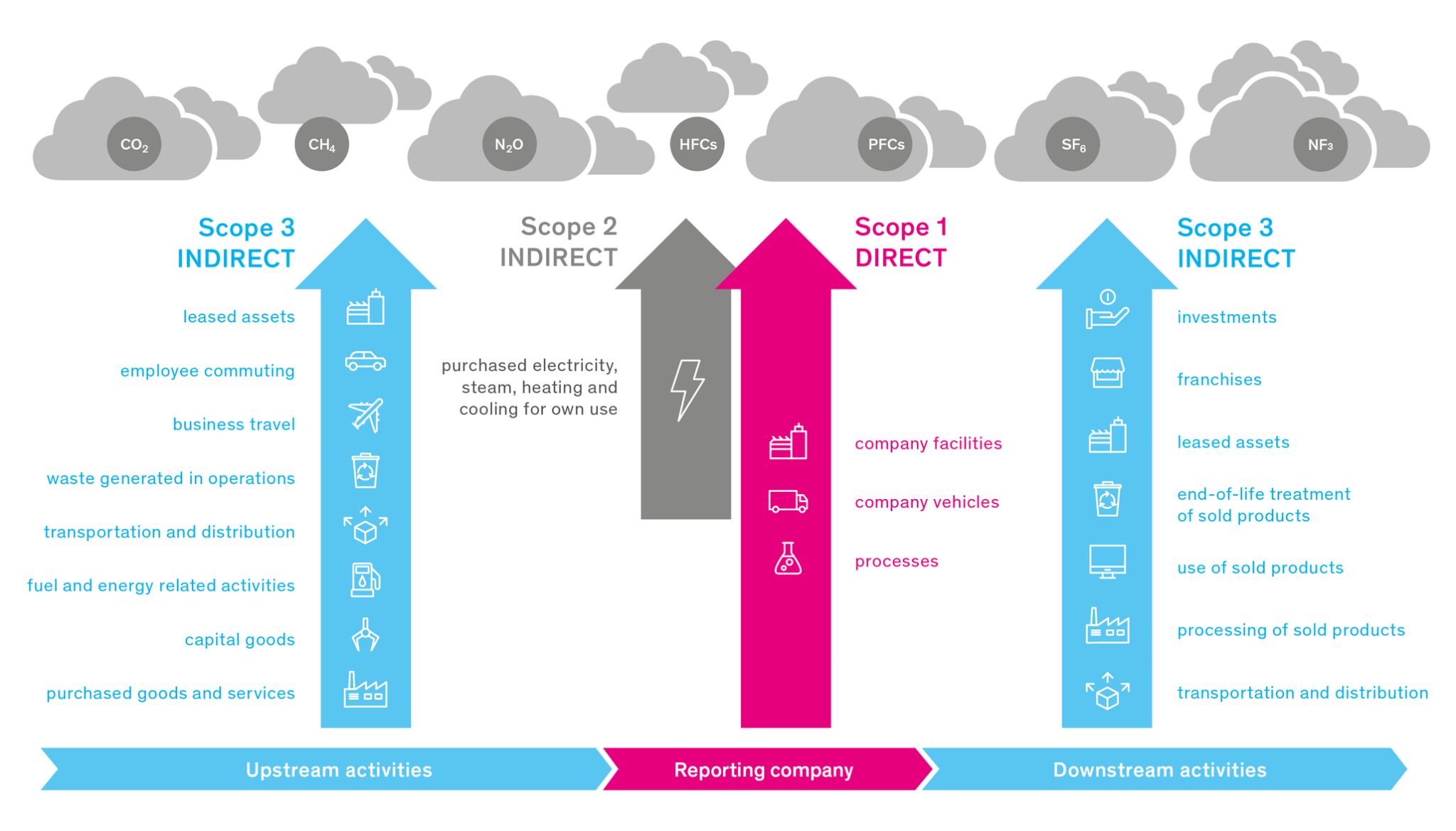
1. Comprehensive Emissions Coverage: SBTi covers all three scopes of emissions :
a) Scope 1: Direct emissions from owned or controlled sources.
b) Scope 2: Indirect emissions from purchased electricity, steam, heating, and cooling.
c) Scope 3: All other indirect emissions in a company's value chain, both upstream and downstream. (75%-90% of a company's GHG Emssions)
2. Sector-Specific Guidance: SBTi provides tailored guidance for different industries, acknowledging the unique challenges each sector faces in reducing emissions. This allows companies to set realistic yet ambitious targets.
3. Net-Zero Targets: SBTi’s framework also includes guidance for companies to set net-zero targets, emphasizing the reduction of emissions and balancing remaining emissions with removals, like carbon capture and reforestation.
Why is SBTi Important?
1. Credibility and Trust: SBTi is recognized globally as the gold standard for setting climate targets, enhancing a company's credibility among investors, customers, and stakeholders.
2. Clear Pathway to Net-Zero: It provides a structured approach for companies to achieve net-zero emissions, setting specific, measurable targets across their operations and value chains.
3. Operational and Financial Benefits: Companies aligned with SBTi often experience improved efficiency and cost savings, attracting ESG-focused investors and enhancing access to capital.
4. Market Differentiation: SBTi validation helps companies stand out by demonstrating meaningful climate action, building brand loyalty, and opening new business opportunities.
SBTi is more than just guidelines; it's a vital tool for companies committed to making a real impact on climate change.
Feel free to view the images below for a better understanding of the differences between the various scope of emissions and SBTI's step by step process to develop SBTs.
Stay tuned for my next post, where I’ll explore how SBTi influences the use of carbon offsets, what that means for companies aiming to meet their climate goals as well as introduce the concept of BVCM and explain how it relates to SBTi’s guidelines.
Source: SBTI Website (https://lnkd.in/g5DFrgH5)
#ClimateAction
#Sustainability
#NetZero
#CarbonNeutral
#ClimateChange
#GreenEnergy
#ClimateLeadership