
image post1yr at archive captureWritten by Puviin Varman
SBTi?? Corporate Climate Action?? (2/5)
Explains SBTi’s evolving stance on carbon offsets and Environmental Attribute Certificates for difficult Scope 3 emissions.
Original LinkedIn post text
SBTi?? Corporate Climate Action?? (2/5)
.
.
In my previous post, I introduced the Science Based Targets initiative (SBTi) and why it’s considered the gold standard for corporate climate targets. Today, I want to explore SBTi’s evolving role in carbon offsets, particularly for Scope 3 emissions, and what this means for corporate climate strategies.
Understanding Carbon Offsets and Scope 3 Emissions
Carbon offsets are investments in projects that reduce or remove greenhouse gas emissions, such as reforestation or carbon capture. These offsets can help companies compensate for emissions, mainly those that are challenging to eliminate directly. Scope 3 emissions, which are indirect and occur across a company’s value chain, often make up the largest portion of a company’s carbon footprint but are difficult to manage due to their indirect nature.
SBTi’s Updated Guidelines on Carbon Offsets
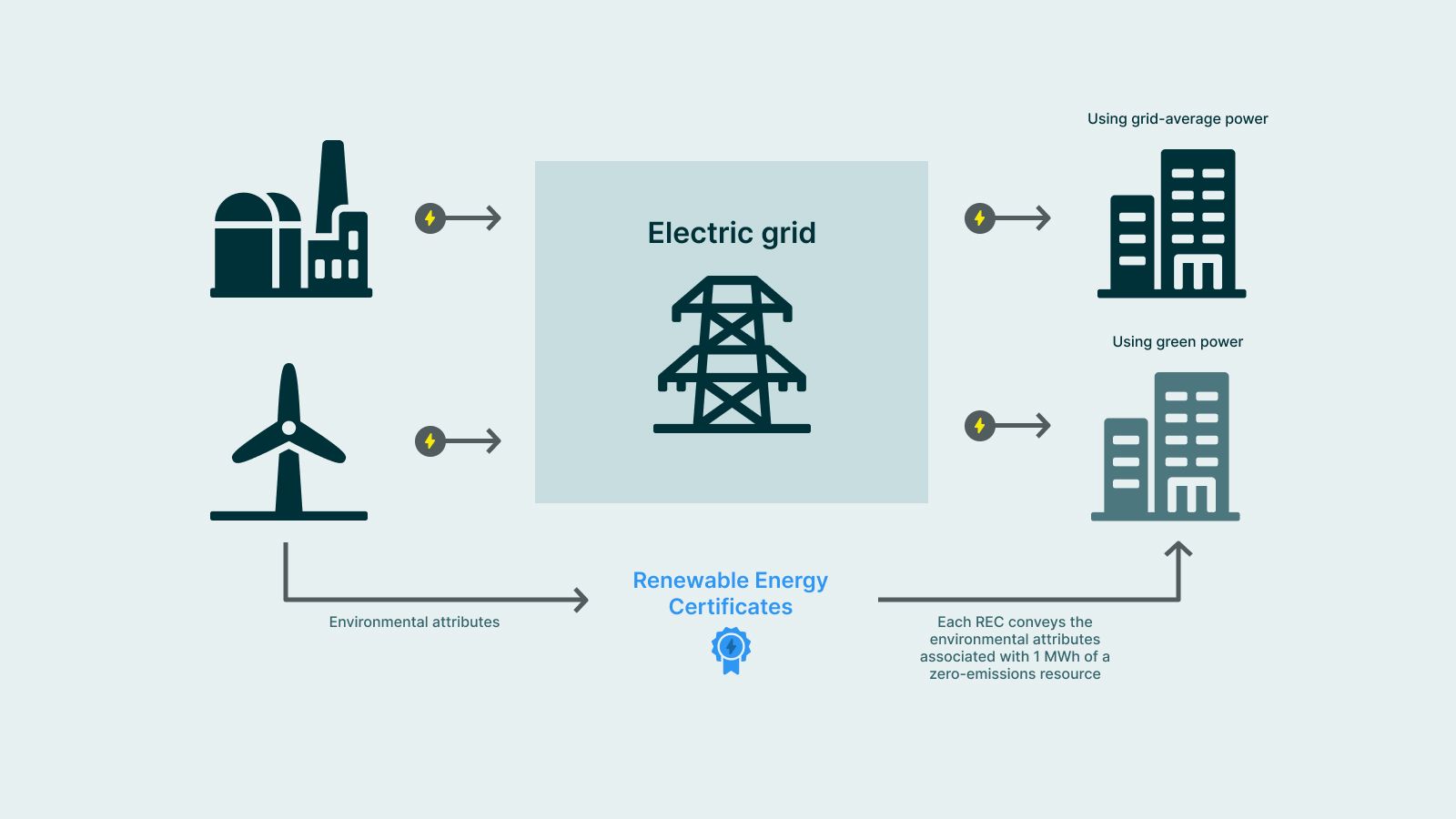
SBTi previously emphasized reducing actual emissions over using offsets, especially for Scope 3 emissions. However, in 2024, SBTi announced a shift, allowing the use of carbon offsets, including Environmental Attribute Certificates (EACs) - RECs (renewable energy certificates - view previous post or image below), for Scope 3 emissions. This change recognizes the difficulty in directly reducing these emissions.
Implications of SBTi’s Decision
SBTi’s updated guidelines on carbon offsets have several implications for corporate climate strategies:
• Increased Flexibility: Allowing carbon offsets for Scope 3 emissions gives companies a bit more flexibility to meet their net-zero targets, especially in areas where direct reductions are hard.
• Stimulating Carbon Markets: This endorsement may boost demand for high-quality carbon credits, leading to more investment in projects that reduce or remove emissions.
• Offset Quality Concerns: Not all offsets are created equal, and some may not deliver long-term benefits. SBTi aims to enforce strict standards to ensure only high-quality offsets are used.
• Debate and Controversy: This decision has sparked debate, with concerns that it might weaken the credibility of corporate climate targets. Others view it as a necessary step to encourage investment in climate solutions.
Moving Forward: Key Considerations for Companies
While using carbon offsets for Scope 3 emissions is now on the table, it’s crucial for companies to ensure these offsets are high-quality and that they supplement—not replace—direct reduction efforts. To maintain the integrity of their climate commitments, companies should still prioritize actual emissions reductions in their operations and supply chains.
What are your thoughts on SBTi's updated guidelines? Share your thoughts in the comments!
Stay tuned for my next post, where I’ll explore more on SBTi’s ongoing revisions to the Corporate Net-Zero Standard and their potential impact on businesses.
Source:
SBTI Resources
#ClimateAction
#Sustainability
#CarbonCredits
#Scope3Emissions
#CarbonMarkets
#EAC