
image post1yr Edited at archive captureWritten by Puviin Varman
SBTI?? Recent Development... (3/5) - Short
A concise timeline of SBTi Corporate Net-Zero Standard developments and their implications for Scope 3 emissions and carbon credits.
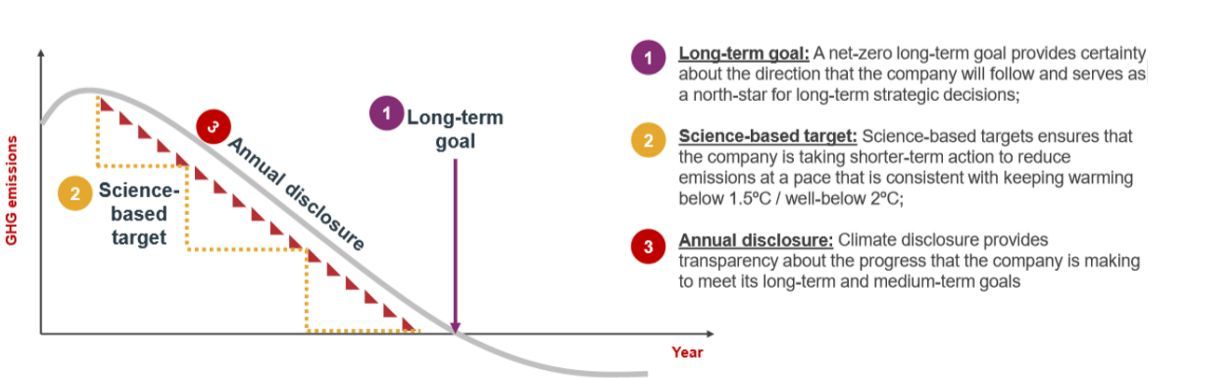
Original LinkedIn post text
SBTI?? Recent Development... (3/5) - Short
.
Full article here: https://lnkd.in/eV3M-2tv
.
.
In earlier posts, I covered the Science Based Targets initiative (SBTI) and its impact on carbon offsets, particularly for Scope 3 emissions. Today, I’ll provide an update on recent SBTi revisions to the Corporate Net-Zero Standard and their implications for businesses.
SBTi’s Corporate Net-Zero Standard Review
- SBTi is revising its Corporate Net-Zero Standard to align with the latest climate science and drive meaningful corporate action.
Key Developments from 2021 to 2024
2021: Corporate Net-Zero Standard Launch
Introduced a pathway for reducing emissions by 90-95% across all scopes before using carbon removal mechanisms.
2022-2023: Sector-Specific Guidance
Expanded strategies for industries like shipping, oil & gas, and finance to address emissions.
2023: Call for Evidence on EACs
SBTi collected input on using Environmental Attribute Certificates (EACs), including carbon credits, for Scope 3 emissions.
2024: Significant Shifts and New Guidelines
1. EACs Introduced
In early 2024, SBTi allowed companies to use EACs to address Scope 3 emissions, providing more flexibility while ensuring projects are verifiable.
2. BVCM Report
February 2024 saw the launch of the "Above and Beyond" report on Beyond Value Chain Mitigation (BVCM), emphasizing strategies like carbon removal.
3. Revised Scope 3 Guidelines
Updated rules ensure offsets are used responsibly without undermining emission reduction goals.
4. High-Quality Offsets
SBTi emphasized stringent criteria for offsets, working with the The Integrity Council for the Voluntary Carbon Market (ICVCM) - to be discussed in a later post.
5. Public Consultation
SBTi continues to gather feedback to ensure the final standards, expected by year-end, are both robust and practical.
What This Means for Businesses
- The revised standards increase flexibility but demand greater rigor in addressing Scope 3 emissions. Companies must ensure transparency and quality in offsets while staying engaged in SBTi’s consultation process.
Key Takeaways:
1. Flexibility: EACs and high-quality offsets offer more tools for addressing Scope 3 emissions.
2. Scrutiny: Offsets must meet strict criteria for transparency and alignment with science-based targets.
3. Engagement: Staying involved in SBTi consultations is key to shaping and preparing for upcoming changes.
What are your thoughts on these developments? Let me know in the comments!
Prefer a longer more detailed examination of this topic? I'll be posting a full in-depth article in a couple of hours. Stay tuned in the comments section!
In my next post, I’ll explore the controversies around SBTi’s decisions and their impact on corporate climate action.
Source: SBTi
#ClimateAction
#Sustainability
#ScienceBasedTargets
#CarbonCredits
#Scope3Emissions
#NetZero
#ESG